
Interior Design Trends 2026: Sensescaping
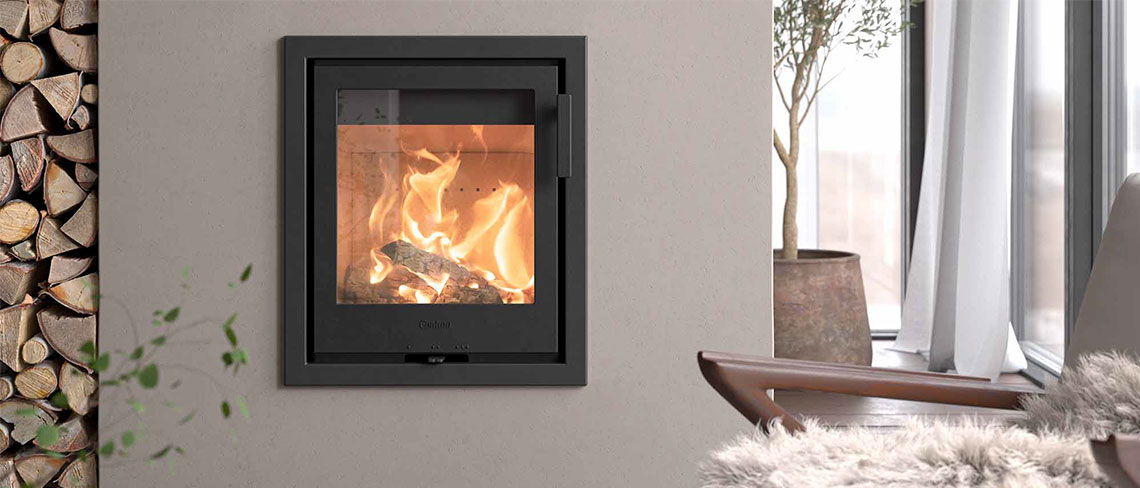
Scandi homes & interiors expert, Catharina Björkman, shares her guide to embracing sensory design.
With the arrival of warmer temperatures, longer days and glorious daffodils in the UK, it’s clear that spring has (finally!) arrived. Spring is a season associated with new beginnings, so it is no surprise that it is often a time when people feel inspired to give their home a glow up. For those seeking inspiration look no further than the latest interiors trend – sensescaping.
Catharina Björkman, Scandi homes & interiors expert at Contura, explains: “Interior design’s newest buzzword ‘sensescaping’ is rooted in the ideas of balance and functionality – both of which are key concepts in Scandinavian interior design. Instead of focusing on pure aesthetics, it encourages us to keep all five senses – touch, taste, sight, smell and sound – in mind when designing our homes to ensure harmony and wellbeing.
“And one of the greatest wellbeing boosters? The natural world. As such, drawing on elements of biophilic design and integrating nature into our homes should play a key part in sensory design, helping us to create a well-balanced space that acts as a peaceful sanctuary away from the stresses of the modern world.”
Read on for Catharina’s guide to incorporating sensory design into your home below…
-
Keep calm with colour
When it comes to creating the perfect colour palette for your home, look to nature. In a world that continues to be filled with stresses and strains, natural colours are often linked to feelings of calm and peacefulness.The natural world offers a kaleidoscope of neutral colours which can provide a soothing foundation in any interior – think sandy browns, sage greens, cloudy greys, sky blues and eggshell whites. These colours work particularly well when used across large spaces such as walls, doors and ceilings.When selecting colour palettes, consider each room’s function; for example, use darker shades for spaces where you seek comfort and cosiness, such as the living room, and opt for lighter tones in areas where productivity is key, such as a home office.
An added bonus is that neutral tones inspired by nature tend to be far more timeless than bold colour choices – often inspired by passing trends – and are unlikely to cause a clash or contribute to a sense of misbalance to a room.
-
Smart scents
Utilising scents can be a subtle yet effective way to elevate interiors – yet our sense of smell can often be one of the last things we consider when designing our homes.Instead of picking one scent for your whole home, consider scent-scaping. This involves considering the function of each room and pairing it with a scent which supports this.For example, a bedroom is a place of sleep so lavender or chamomile – both scents which help to create a calming atmosphere – are ideal. In contrast, places of productivity such as the kitchen or a home office would be better suited to scents like citrus or mint – which will help to create a refreshing atmosphere.
Houseplants and fresh flowers are easy ways to add uplifting scents to your home. Come evening, candles scented with essential oils can be a great option – with the soothing sight of the gentle flickering flames being an added bonus.
-
Tactile materials
Layering natural materials of different textures can help to create a well-balanced and inviting space. It is also a great way to add visual weight to a room.Hardwoods like cherry, mahogany, maple and oak are highly durable and well worth investing in for larger items such as dressers, tables, wardrobes, bookcases or chests of drawers. More lightweight natural materials like rattan and seagrass can also be incorporated in the form of a coffee table or basket.Add soft furnishings to balance out the more solid textures of large surfaces like stone floors, marble worktops or wooden furniture. Think soft throws, woven rugs, silky lampshades, plush pillows and velvety curtains. Opt for natural materials such as cotton, wool and linens.
Not only will soft furnishings add to the overall look of your home, but these will also help you to manage acoustics in larger rooms. This is particularly important when it comes to spaces such as the bedroom – which should be designed with a focus on creating a calm, quiet and sleep-inducing atmosphere.
-
Bring the outdoors in
Beyond mood boosting scents, incorporating plants into our home interiors helps to reinforce our connection with nature – crucial for mental wellbeing – with many boasting air purifying qualities too.For the perfect low-maintenance, high impact plant, look to English ivy. Place up high on a bookcase or shelf allowing its green vines to artfully tumble downwards. It thrives in any light conditions, is a fast grower and boasts air purifying qualities.Another low-maintenance addition to the home is a rubber plant. Its large, glossy leaves absorb and break down airborne chemicals, while also eliminating bacteria and mould spores in the air. Rubber plants can reach up to eight feet tall when well cared for, so are well worth investing in as a future statement piece.
Featuring fleshy and smooth, circular leaves the money plant is said to bring prosperity and good luck in life. Used extensively in Feng Shui – essentially the practice of harmonising human existence with the surrounding environment – it makes for a traditional mood-boosting addition to a home. And a bit of extra luck can’t hurt!
-
Embrace the light
The longer days of spring and summer means it’s time to make the most of the natural light in your home. An easy place to start is by ensuring that there are no obstructions, such as bookcases or dressers, blocking windows and preventing the sunlight from getting in during the day. Equally, you may want to consider moving furniture such as desks and dining tables to sit in any sunspots in your home.Come the evening, recreate the soft texture of natural light by layering light sources such as lamps and candles. This approach will create a more relaxing atmosphere, which will help you wind down for bed, than harsh overhead lighting.When it comes to heating your home on chilly spring evenings, a woodburning stove is an ideal option; the flickering light and toasty warmth of a fire have provided cosiness and comfort for generations. Contrary to popular belief, woodburning stoves can offer an efficient, sustainable, and cost-effective heat source, releasing up to 90% less emissions compared to a traditional open fire for example, and using only wood – a renewable, low-carbon energy source.
For more information, please visit www.contura.eu.
-Ends-
Notes to editors:
- Rooster PR will coordinate comment, interview and profile opportunities for Contura UK Country Manager, Phil Wood.
- The Contura PR team will also arrange visits to the nearest Contura Design Centre dealerships or the Contura showroom in Doncaster to see the product range.
For further press information, please contact:
Josie Waddington | Tilly Everard | Elsa Findlay | Julie Aguilera
Rooster.
T: +44 (0)203 440 8930
E: Contura@Rooster.co.uk
About Contura:
Contura is Europe’s leading manufacturer of wood burning stoves, offering an extensive range of classic and contemporary wood burners; from traditional insert stoves suitable for existing fireplaces, to freestanding statement models made with innovative materials such as soapstone.
Starting at £1,295, Contura stoves are premium yet affordable. Award winning, timeless Swedish design means the products complement or enhance any style of home, whilst also offering outstanding performance, maximum efficiency, practicality and ease of use.
Designed and assembled at the factory located in Markaryd, Sweden, and manufactured to the highest standards, Contura stoves are highly energy efficient, offering powerful convection, superior combustion technology and clean burning systems. All Contura stoves are DEFRA Clean Air Act exempt and thus approved for use in Smoke Control Areas.
Contura stoves can be purchased through a network of 165 independent retailers nationwide.
Contura is part of the NIBE group, a Swedish manufacturing company producing world class solutions in sustainable energy across Europe, North America, Asia and Australia.
Contura is a founding member of the Stove Industry Association (SIA) in the UK.
Contura is a proud supporter of Eden: People+Planet’s efforts to restore and monitor over 241,150 hectares of land, creating jobs to support local communities and the environment in the long-term. Since 2018, Contura has funded the planting of over 170,000 trees.
For more information, please visit www.contura.eu