
The Runner’s Guide to Rest
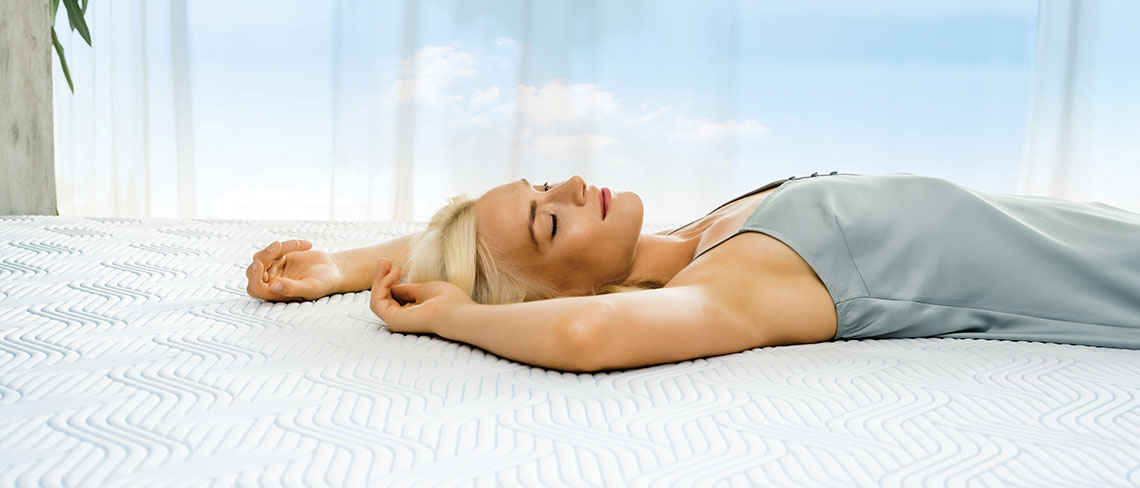
With the London Marathon (26 April) just around the corner, TEMPUR® sleep specialist, Emma Sharp, shares her ultimate guide to sleep for runners.
Whether you are an avid park runner or gearing up for your fourth ultramarathon, ensuring that you are getting the right amount of high-quality sleep is an essential part of the running process – especially if you are hoping to improve fitness, increase speed or mileage and stay injury-free.
With the London Marathon (26 April) fast approaching, TEMPUR® sleep specialist, Emma Sharp, shares her expert guide explaining the importance of a great night’s sleep for runners along with tips on how to optimise levels of rest and recovery, night-after-night.
Emma states, “Sleep is a vital part of the body’s ability to rest, repair and recharge, so getting enough of it is essential to a runner’s success – and yet, so often, it is an overlooked element of the training process.
“The fantastic news for runners is that enjoying regular exercise can help to improve both the quality and quantity of sleep. What’s more, there are a number of simple tips and tricks that runners can do to help ensure that they are consistently achieving enough high-quality sleep to support with their running goals – especially important in the lead up to any race days.”
Read on for Emma’s ultimate guide for runners on rest…
Quantity and quality
When we exercise, no matter what form this takes, we are placing strain on our bodies; the success of the recovery process is dependent on many factors, including sleep. Sleep allows our bodies to rest and recover, which in turn, facilitates the repair and strengthening of the bones, muscles and joints – all put under stress during training.
Though the optimal amount of sleep varies by person, it is widely accepted that healthy adults should be getting at least seven hours every night. If you are running frequently and far, the ideal minimum sleep requirement for optimal functioning is very likely to sit higher.
On average, the body goes through approximately four to six sleep cycles each night (each made up of four sleep stages). It is Stage 3 non-REM sleep, also known as deep or slow-wave sleep, which is seen as the most important sleep phase when it comes to physical recovery . This is because, during this stage of sleep, the brain is resting which means that more blood is available to circulate to the rest of the body, delivering oxygen supplies and nutrients that cells use to heal. Increased levels of the body’s growth hormone – which supports bone health and muscle recovery – are also released during slow-wave sleep .
Outside of physical benefits, enjoying enough high-quality sleep is also vital when it comes to brain function . For example, the prefrontal cortex – a part of the brain which plays a key role in our ability to effectively solve problems, make decisions and regulate emotions, all important skills when it comes to sticking to a training plan – is negatively impacted by a lack of sleep .
Think about what you drink
Caffeine – often found in running gels – is well-known for its ability to help us feel more awake, so it’s potential to have a negative impact on the quantity of our sleep will be unsurprising to most.
However, runners should also be aware of the effect that caffeine can have on the quality of our sleep, with it being linked to less time spent in deep sleep – a stage which is vital for physical recovery and regeneration. To mitigate the potential negative impacts of caffeine on sleep, aim to avoid consuming the stimulant after mid-afternoon (at the latest) – it is worth noting that the ideal cut-off time will vary from person to person due to factors such as sleep patterns.
Runners should also be mindful when it comes to alcohol consumption. Whilst alcohol might make us feel drowsy, it has been proven to significantly affect sleep quality – and, therefore, physical recovery – by impacting our body’s natural sleep patterns. So, alcohol not only impacts performance due to its effect on factors such as energy levels and temperature regulation when running , but by slowing recovery too. And let’s face it, a surefire way to make a training run that much harder is a hangover.
Schedule runs around sleep
Sticking to a sleep routine which allows for at least seven hours of rest will help your body establish a natural consistent sleep-wake cycle, which is hugely beneficial when it comes to sleep quality too.
Once established, try to avoid significant disruptions. Whilst it can be tempting to wake up early or go to bed late in order to squeeze in runs and gym sessions around commitments such as work and childcare, try to create a training schedule that has the least impact on your sleep routine. For example, think about squeezing sub-one-hour workout sessions into your lunch break and look to schedule longer runs over the weekend.
It is also worth noting that running too close to bedtime can impact your ability to fall asleep. This is due to it interfering with your body’s sleep-wake cycle by stimulating increased levels of cortisol, a stress hormone which promotes wakefulness, and causing a rise in body temperature, which counteracts the natural temperature drop in your body that starts a couple of hours before bedtime (in preparation for sleep) . As a general rule, aim to complete any workout at least 90 – 120 minutes before bedtime.
In the time before bed, create a bedtime routine which includes activities that will help you to relax and prepare your body for sleep – think gentle stretching, yoga, breathing exercises and journalling.
Invest in great sleep
Everyone – runners or not – should have a bedroom that is cool (around 18°C), quiet and dark. These conditions, all of which form the optimal sleep environment, stimulate increased levels of melatonin in the body, a sleep-inducing hormone that plays a vital role in regulating natural sleep-wake cycles.
You can support your body’s ability to stay cool during the night by opting for sleepwear and bedding made with natural and breathable materials such as cotton. Likewise, an eye mask can provide a simple solution should you be struggling with unwelcome sources of light.
Finally, be sure to invest in the best quality bed, mattress and pillows you can afford. Your mattress should adapt to you, distribute your weight evenly, keep your spine straight and absorb pressure to provide comfort and relieve pain – for runners, this will be particularly useful in supporting the body’s recovery between runs.
Many people don’t realise that the pillow you sleep on is just as important as your mattress to ensure correct spinal alignment. Ideally, when sleeping, you want a neutral spine-neck alignment, as opposed to perfectly straight. An ergonomic pillow that actively moulds and adapts to your head, neck and shoulders, minimising gapping, is ideal.
It’s important to remember that comfort gets you to sleep, whilst adequate pressure relief and support will help you stay asleep, so you can complete those vital sleep cycles to help you perform at your best.
For more information on TEMPUR®, visit www.tempur.co.uk
-Ends-
Notes to editors:
TEMPUR® works with global affiliate marketing platform Awin. Merchant ID: 50737
For further press information, please contact:
Josie Waddington | Tilly Everard | Elsa Findlay | Julie Aguilera
Rooster.
T: +44 (0)203 440 8930
E: Tempur@Rooster.co.uk
About TEMPUR®
TEMPUR® researches, develops, manufactures and distributes mattresses, pillows and other sleep products to improve the sleep experience worldwide.
TEMPUR® Material is the original pressure relieving mattress product made up of viscoelastic – billions of ultra-sensitive open cells that exist between a solid and a liquid state. TEMPUR® products provide the ultimate comfort and support, helping you to get a great night’s sleep night after night.
Each TEMPUR® mattress undergoes sixty-seven different quality checks, ensuring superior quality and durability.
TEMPUR® products can be purchased direct via the TEMPUR® UK website, Dreams, John Lewis, Bensons for Beds, and Furniture Village or from leading independent retailers or from any of 12 TEMPUR® brand and outlet stores.
TEMPUR® is a subsidiary of TEMPUR® Sealy International Inc. www.tempur.co.uk