
Interior Design Mistakes to Avoid in 2026
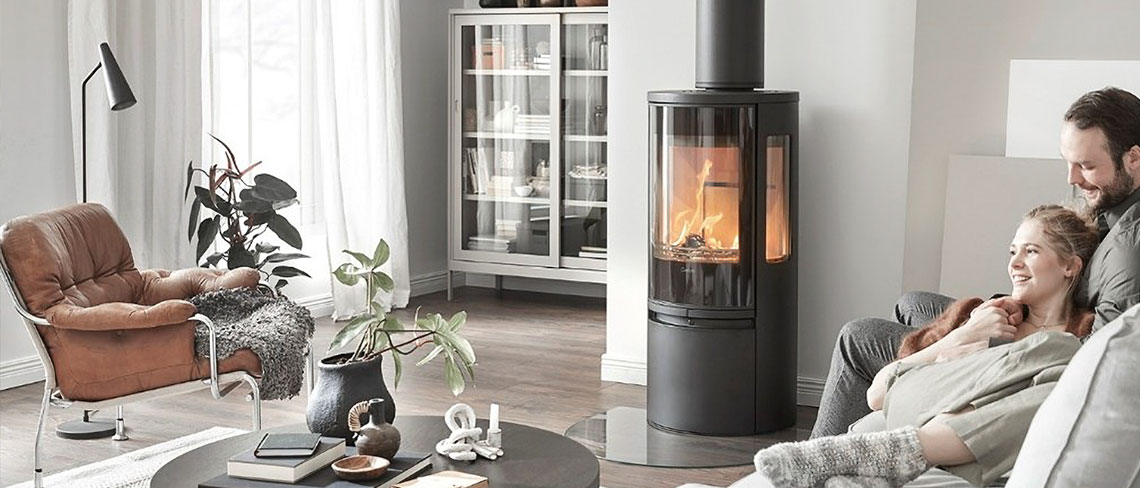
Scandi lifestyle expert shares guide to fixing the hidden design faux pas cluttering your space.
Spring is a season often associated with new beginnings, so it is no surprise that its arrival can often have us feeling inspired to refresh our home interiors – from decluttering as part of the annual ‘spring clean’ to embarking on a renovation project.
However, despite the best intentions, many of us can end up creating a space which brings more chaos than calm – a result that could often be easily avoided with a simple understanding of a few key interior design rules.
In the below guide, Catharina Björkman, Scandi lifestyle expert at Contura, explains some of the common interior design mistakes to watch out for along with some easy and effective tricks to enhance your home environment.
Catharina says, “Many interior design mistakes are not obvious – but the effect they have on a space can be. The direction of your sofa, for example, has the potential to create an anxiety-inducing atmosphere; the objects by your front door can disrupt the energy flow into your home; and the scenes reflected in your mirror can take a room from bright and airy to claustrophobic.
“Luckily, with a simple understanding of the interior design dos and don’ts, we have the ability to drastically improve both the functionality and atmosphere of a room – creating a home which is fit for purpose as a space of relaxation, connection and reflection.”
Read on for Catharina’s guide to the interior design dos and don’ts, including tips on how to bring balance and energy to your space this spring…
Live well with lagom
Deferring to the Scandinavian philosophy of lagom – a concept rooted in the belief that balance, harmony and moderation are central to happiness, with the word itself meaning ‘not too much, not too little’ – can be hugely beneficial when it comes to fostering a peaceful and happy home environment.
So, be sure to approach your interior refresh in a mindful and moderate way. Instead of heading out to buy all the latest trendy furniture pieces or diving straight into a time intensive renovation project, why not start by refreshing your space with a simple declutter – you will be amazed what a transformational effect this can have.
Clearing out belongings which are no longer useful or joy-making will help you to create a calmer environment (in both home and head!).
Energise your entrance hall
A great place to start with a declutter is your entrance hall; simply begin by putting away any items that have built up over time, from stray shoes and umbrellas to keys and coats.
Then, consider your furniture. Despite the illusion of convenience, often chairs and side tables positioned right by the front-door tend to invite mess given that they provide an easy dumping ground for arms-full entrants. Instead, focus on ensuring that any furniture near your front door is entirely functional, with clean lines and enclosed storage – which will help you maintain an open and uncluttered entrance hall.
Scandinavian interior design strives to incorporate nature wherever possible, so a contained leafy plant could make a vibrant decoration within an otherwise minimalist space – just make sure to keep it well-maintained so as not to block the entrance.
Reflect what you attract
Make sure to take advantage of strategic mirror positioning, with the aim of reflecting the balanced, calming areas of a room whilst extending the reach of natural light sources.
Place your mirrors at eye level to give the illusion of depth and increased spaciousness. Avoid drawing attention to crowded corners or particularly loud statement pieces and, instead, balance these more maximalist focal points with mirrors by using them to reflect the minimalist areas of the room.
Slow design over fast furniture
A lived-in space – where craftmanship and longevity prevail over seasonal trends – is a homely one. Regarded as the counterculture to the modern preference for throwaway items, replaced each season with something shiny and new, ‘slow design’ focuses on quality investment pieces that are built to last, helping you to avoid partaking in unsustainable consumerism and short-lived trends.
When upgrading surfaces like counter tops and kitchen tiles, or installing new fixtures, steer clear of perfect finishes, sterile whitewashing, and untextured or all-new materials to avoid bringing a cold and unnatural atmosphere to your home.
When you do need to replace furniture, always opt for pieces made of natural materials that will stand the test of time. Woods like cherry, mahogany, maple and oak all age particularly well and are worth investing in for larger items such as dressers, tables, wardrobes, bookcases or chests of drawers. And don’t be afraid to source second-hand items, which will be just as, if not more, beautiful than investing in brand new ones.
Prioritise your plants
Whilst it’s not rocket science that greenery and elements of ‘biophilia’ – the human desire to interact with nature – greatly improve a space, the introduction of house plants does require commitment to maintaining them.
English ivy is the perfect low-maintenance plant to keep high up on a bookcase or shelf, enabling you to make the most of its beautiful tumbling vines. It thrives in any light conditions, is a fast grower and as a bonus, helps to purify the air. A rubber plant is another low-maintenance addition to the home. Featuring large, glossy leaves, rubber plants can reach up to eight feet tall when well cared for, so are well worth investing in as a future statement piece.
Should they start to droop and wither, what once invited life and freshness into your home will now symbolise stagnant energy, neglect and a lack of vitality. So, to reap the energising effects of biophilic design make sure you remain attentive to the flora in your space.
For more information, please visit www.contura.eu.
-Ends-
Notes to editors:
- Rooster will coordinate comment, interview and profile opportunities for Contura UK Country Manager, Phil Wood.
- The Contura PR team will also arrange visits to the nearest Contura Design Centre dealerships or the Contura showroom in Doncaster to see the product range.
For further press information, please contact:
Josie Waddington | Tilly Everard | Elsa Findlay | Julie Aguilera
Rooster.
T: +44 (0)203 440 8930
E: Contura@Rooster.co.uk
About Contura:
Contura is Europe’s leading manufacturer of wood burning stoves, offering an extensive range of classic and contemporary wood burners; from traditional insert stoves suitable for existing fireplaces, to freestanding statement models made with innovative materials such as soapstone.
Starting at £1,295, Contura stoves are premium yet affordable. Award winning, timeless Swedish design means the products complement or enhance any style of home, whilst also offering outstanding performance, maximum efficiency, practicality and ease of use.
Designed and assembled at the factory located in Markaryd, Sweden, and manufactured to the highest standards, Contura stoves are highly energy efficient, offering powerful convection, superior combustion technology and clean burning systems. All Contura stoves are DEFRA Clean Air Act exempt and thus approved for use in Smoke Control Areas.
Contura stoves can be purchased through a network of 165 independent retailers nationwide.
Contura is part of the NIBE group, a Swedish manufacturing company producing world class solutions in sustainable energy across Europe, North America, Asia and Australia.
Contura is a founding member of the Stove Industry Association (SIA) in the UK.
Contura is a proud supporter of Eden: People+Planet’s efforts to restore and monitor over 241,150 hectares of land, creating jobs to support local communities and the environment in the long-term. Since 2018, Contura has funded the planting of over 170,000 trees.
For more information, please visit www.contura.eu